
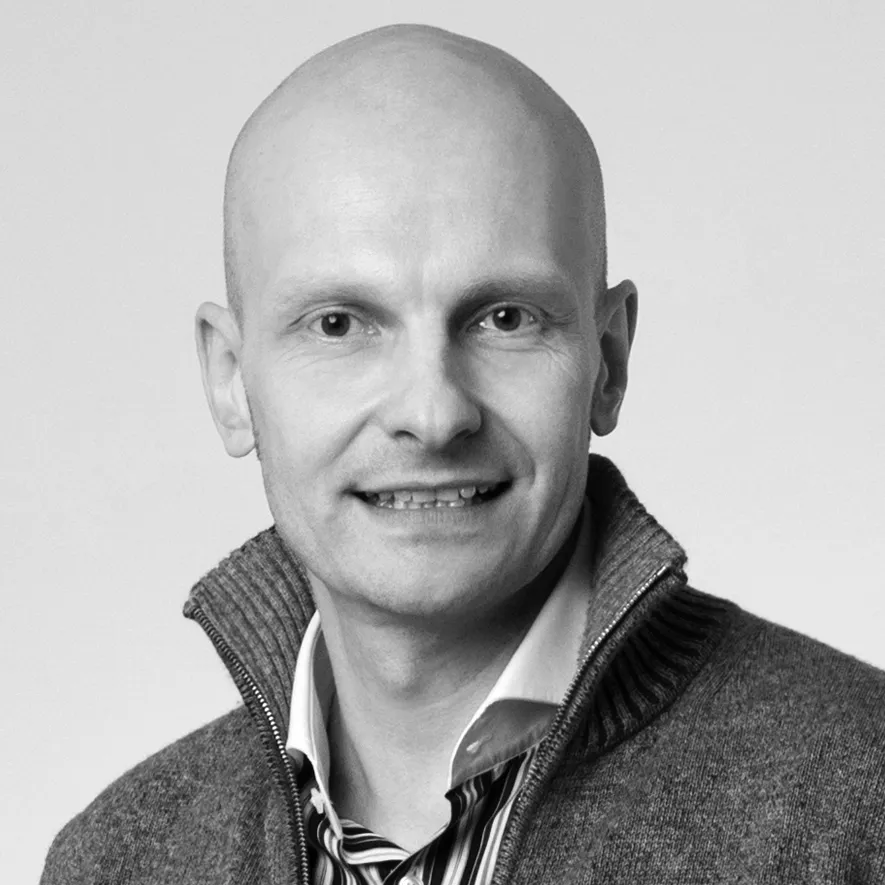
Swen Bernitz (b. 1970, East Berlin, GDR) is a photographer who lives and works in Zossen, Brandenburg. After studying business administration, he initially worked as a banker and management consultant. As a self-taught photographer, he turned to photography in 2008 and has since been realizing conceptual long-term projects in a documentary style that explore the built environment and urban landscapes.
In his conceptually driven long-term projects, Bernitz examines the transformation of the built environment—with a particular focus on Berlin and Brandenburg. His photographic practice occupies a unique position within contemporary German photography. In his work, architecture does not appear merely as an object of visual aesthetics, but as a vessel of collective memory in which the sedimented layers of German history materialize. The series are characterized by analytical clarity, formal rigor, geometric precision, and an objective visual language. Deliberately devoid of people and predominantly in black-and-white, the photographs offer a timeless view of urban structures as a mirror of social and historical dynamics. In this way, the photographs become essential testimonies to a contemporary state of affairs that draws on the multi-layered superimpositions of past orders.
Bernitz’s works have received numerous nominations and awards, including the European Architecture Photography Prize, the Sony World Photography Awards (Architecture), the Felix Schoeller Photo Award, and multiple nominations for the Brandenburg Art Prize; he has also been a finalist and recipient of international photography prizes and grant programs. His photographs have been shown in numerous solo exhibitions, including at the Fotogalerie Potsdam, the UNESCO World Heritage Site Bauhaus Bernau, the Museum of Teltow (Zossen), and the Dahmeland Museum in Königs Wusterhausen. He has also participated in international group exhibitions, for example at the German Architecture Museum in Frankfurt am Main, the Sprengel Museum in Hanover, and in museums, galleries, and exhibition venues across Europe, North and South America, and Asia.
Title of the Work: Dorfbilder
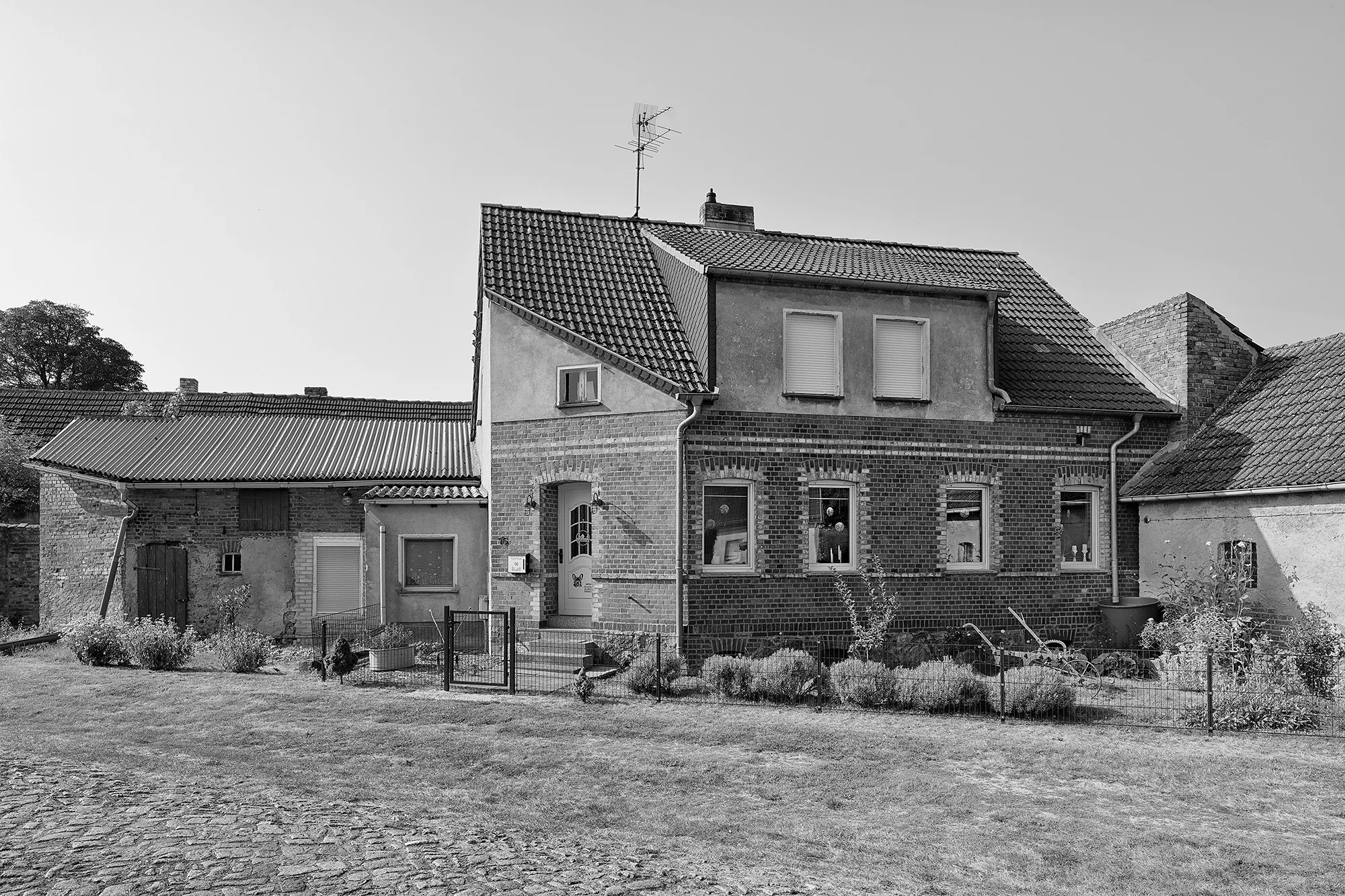
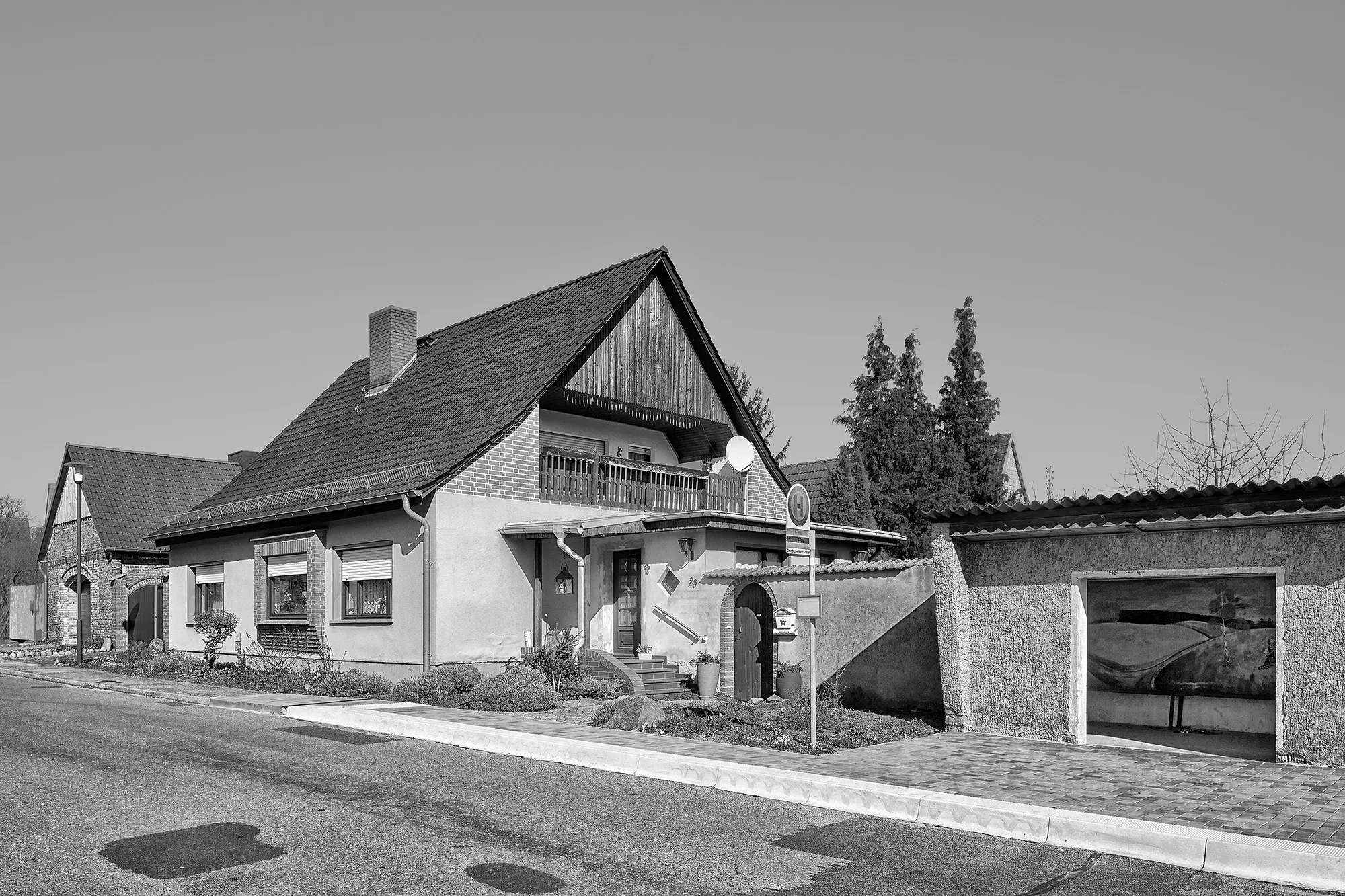
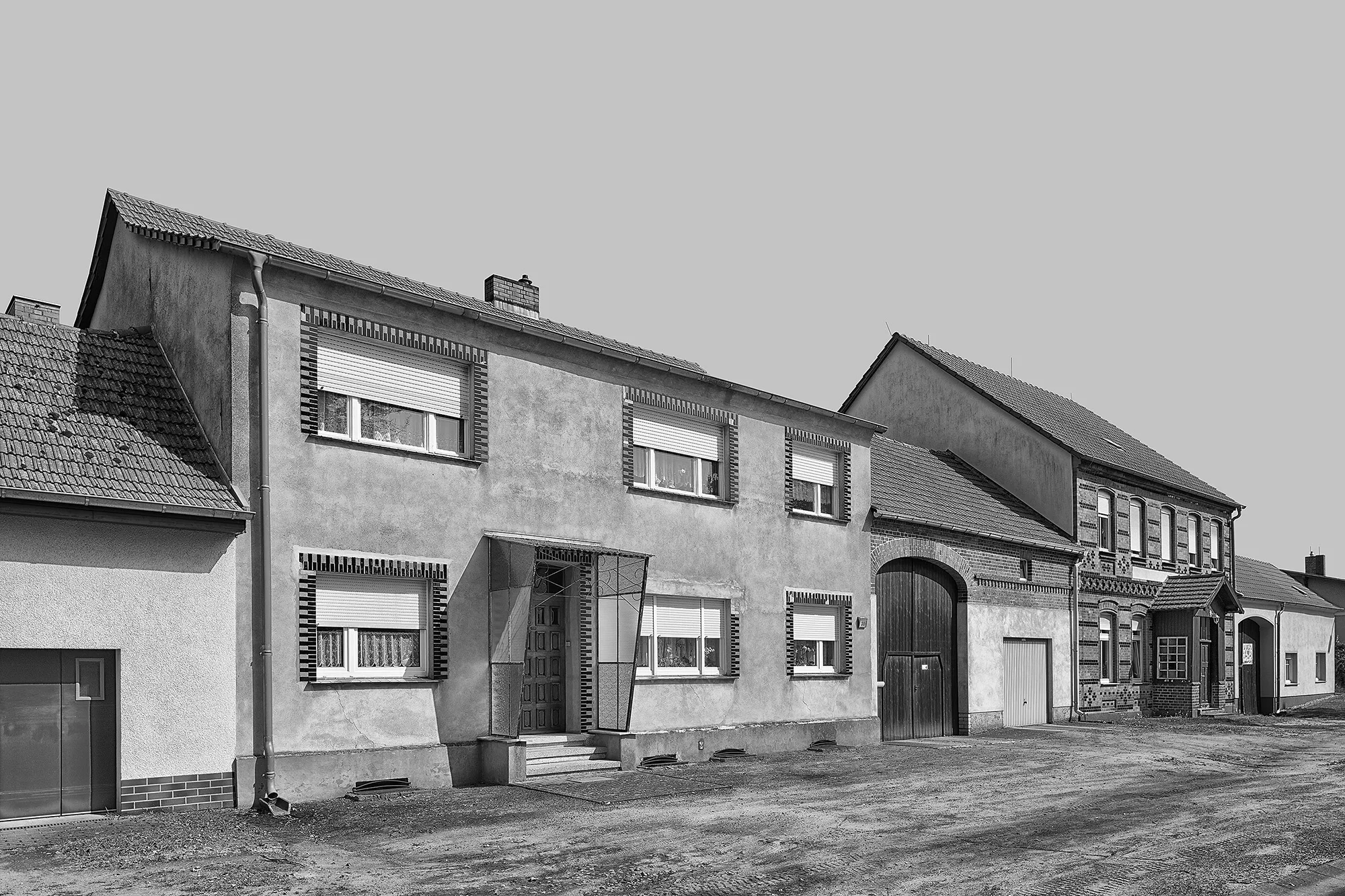
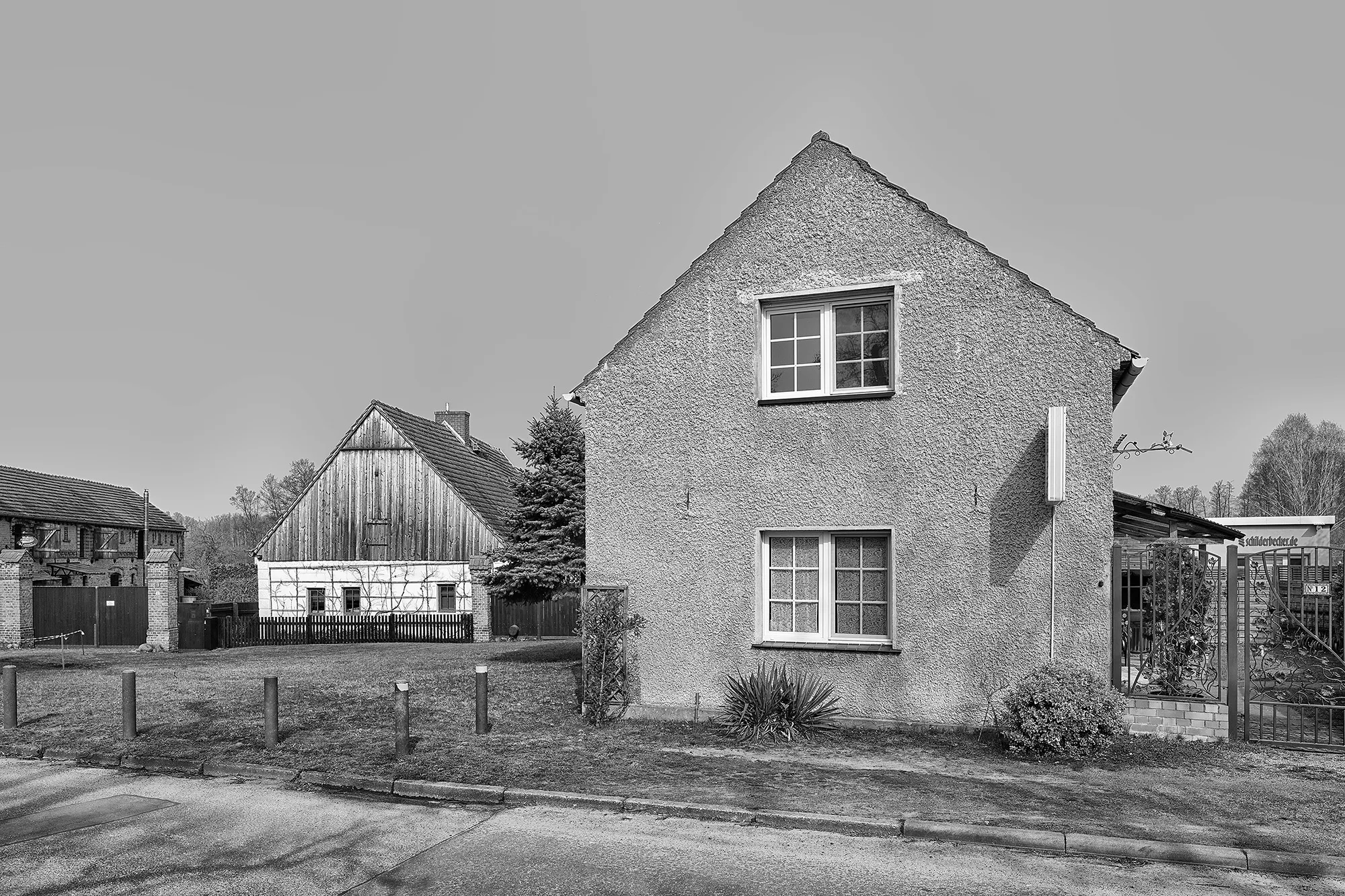
The black-and-white photo series Dorfbilder (german for "Village Images") explores the built environment and social structures of rural areas in Brandenburg. Houses and settlements become silent bearers of history, in which everyday life, change, and regional identity are inscribed.
Amid brick, wood, and improvised solutions, a visual archaeology of the everyday emerges. Architecture appears not as a monument, but as an expression of social and economic changes—from the GDR to the present day.
The series makes transformation tangibly visible and shows how community and identity are perpetuated in built spaces.
further reading
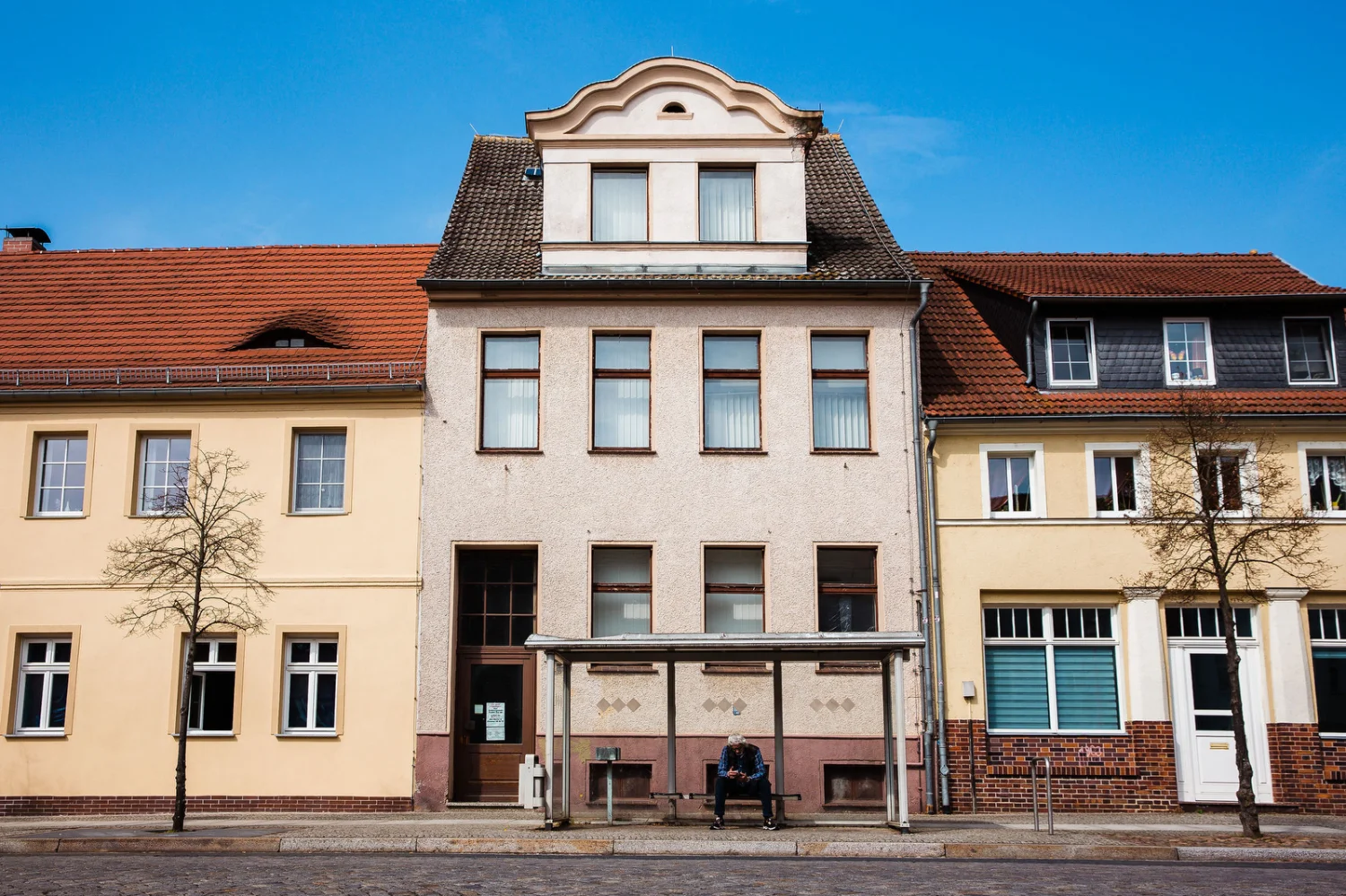
Ausstellungseröffnung
/ Biennale
Vernissage am Markt 20
01.08.2026,
Haus am Markt 20 / Wokrejs Łobjo-Halšter
Astrid Weichelt tohu & bohu Meggie Schneider Beate Tischer Daniela Butsch Maria Arendt Süheyla Asci Philipp Eichhorn Katrin Trost Swen Bernitz Karsten Kelsch Golde Grunske
about the event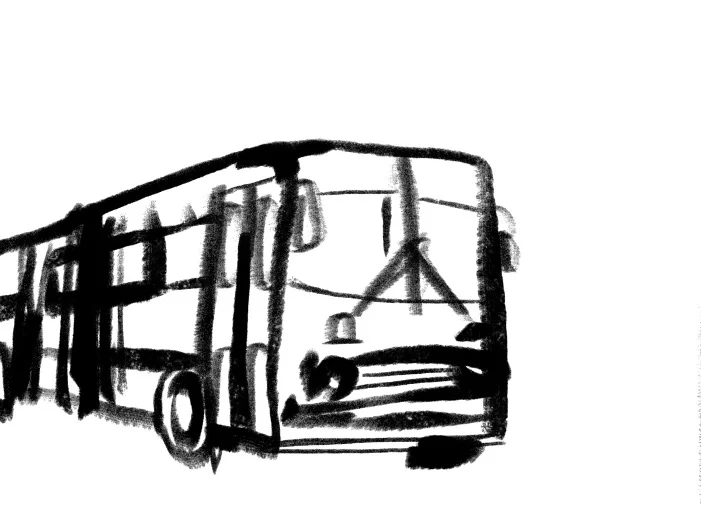
Shuttle-Bus
/ Biennale
VIP-Bus und Transfer-Bus zur Eröffnung der 1. openart Lausitz Biennale
31.07.2026,
Atelierhof Werenzhain / Wokrejs Łobjo-Halšter
Cihangir Gümüstürkmen Daniela Butsch Golde Grunske Katrin Trost Luzie Kork Meggie Schneider Mira Dubian & Luka Lětko Sandcity Sabine Schäfer Siegfried Kober Sebastian Klug Simono Süheyla Asci Swen Bernitz Inna Artemova Katrin Günther Detlef Schweiger Astrid Weichelt Beate Tischer Karsten Kelsch Nezaket Ekici Philipp Eichhorn Johanna Reich Victoria Gentsch
about the event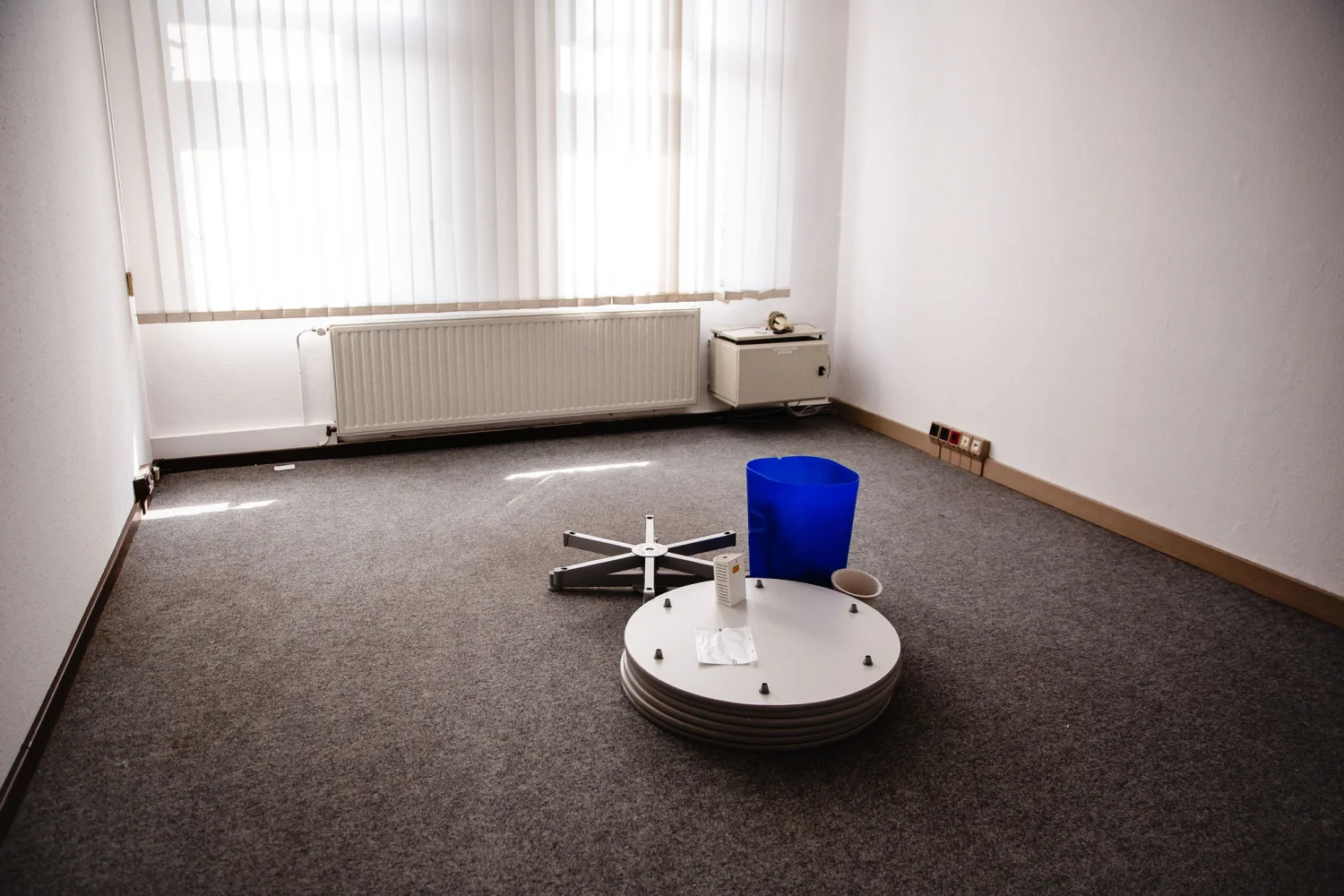
Ausstellung
/ Biennale
Ausstellung im Haus am Markt 20
01.08.—16.08.2026,
Haus am Markt 20 / Wokrejs Łobjo-Halšter
Astrid Weichelt tohu & bohu Meggie Schneider Beate Tischer Daniela Butsch Maria Arendt Süheyla Asci Philipp Eichhorn Katrin Trost Swen Bernitz Karsten Kelsch
about the event