
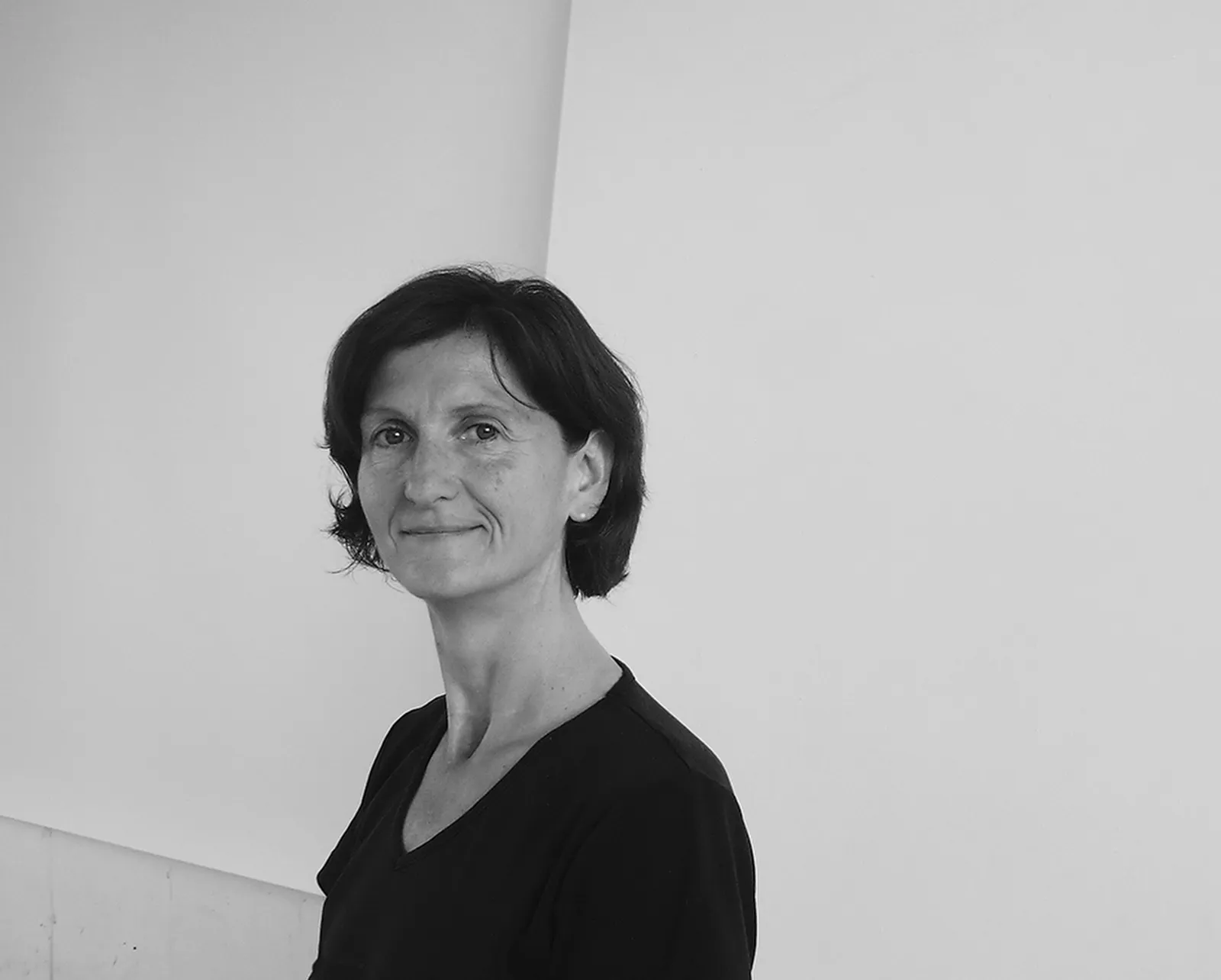
Katrin Günther (born in 1970 in Elsterwerda) is a visual artist. She studied architecture at the Brandenburg University of Technology in Cottbus and at the University of Milan.
From 2005 to 2011, she worked as an artistic assistant at the BTU Cottbus and subsequently taught at colleges and universities in Germany and abroad. This was followed by professorships at the Konstanz University of Applied Sciences for Technology, Business, and Design, as well as teaching assignments at the Alice Salomon University of Applied Sciences in Berlin. Since 2020, she has been a professor of Artistic-Experimental Foundations of Design in the Department of Design at Anhalt University of Applied Sciences in Dessau.
Günther was already represented in 1991 at the 1st Symposium of the Biennial of European Countries for Land Art, Multimedia, and Object Art at the Cottbus-Nord open-pit mine. Her works have been shown in numerous solo exhibitions, including at the Kunsthalle Dessau, the Mies van der Rohe House in Berlin, the art associations in Bayreuth and Konstanz, and the Ludwig Foundation in Havana. She has participated in group exhibitions at venues including the Kestnergesellschaft in Hanover, the Museum of Modern Realism in Gorssel, the Kunsthalle Zürich, and the Kunstmuseum Dieselkraftwerk in Cottbus; additional exhibition projects have taken place in Israel, Cuba, and the Netherlands. Günther has received numerous awards, including prizes in the field of art in architecture, as well as grants and residency fellowships. Her works are held in public and private collections in Germany and abroad.
Work Title: Waldbäder
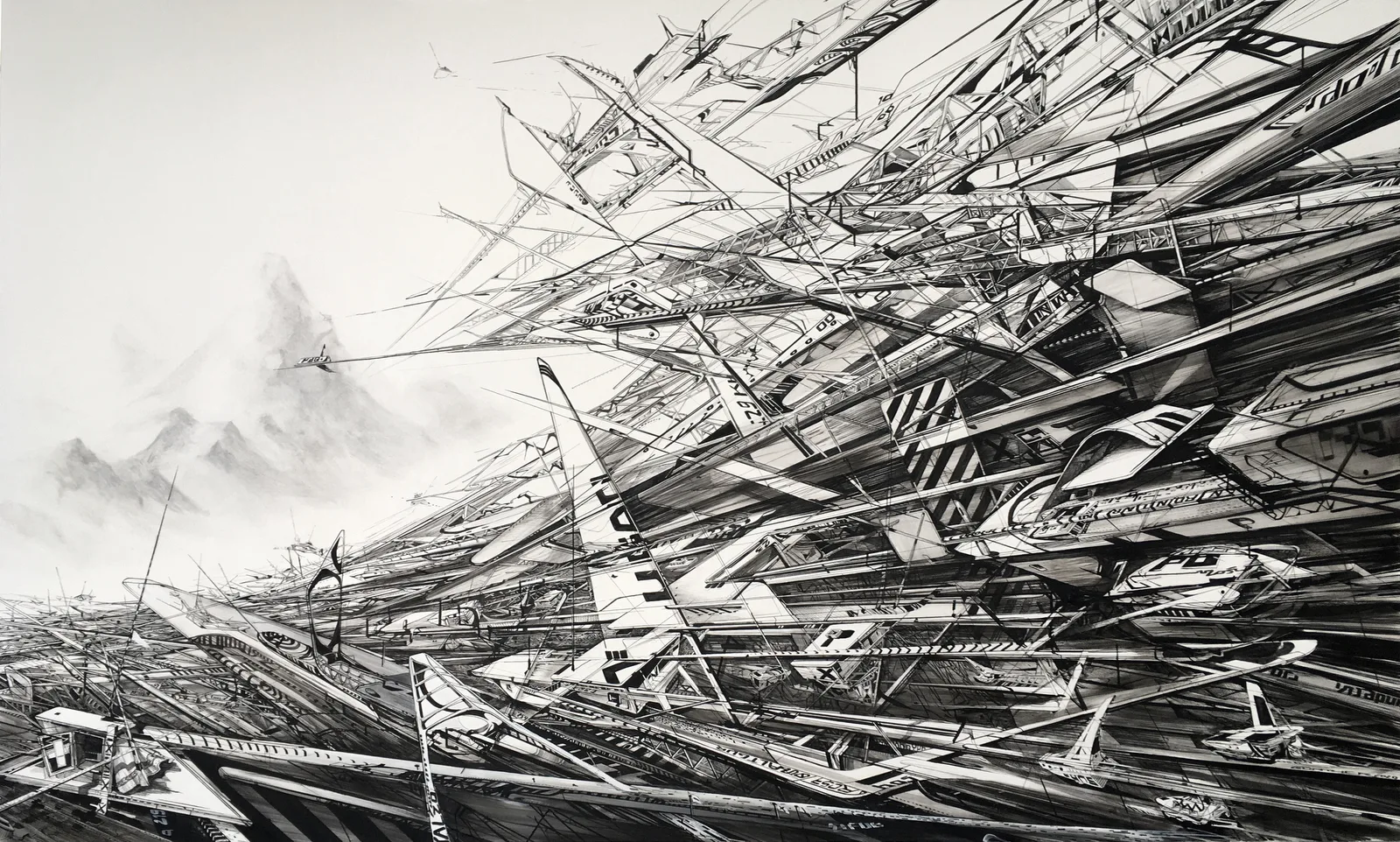
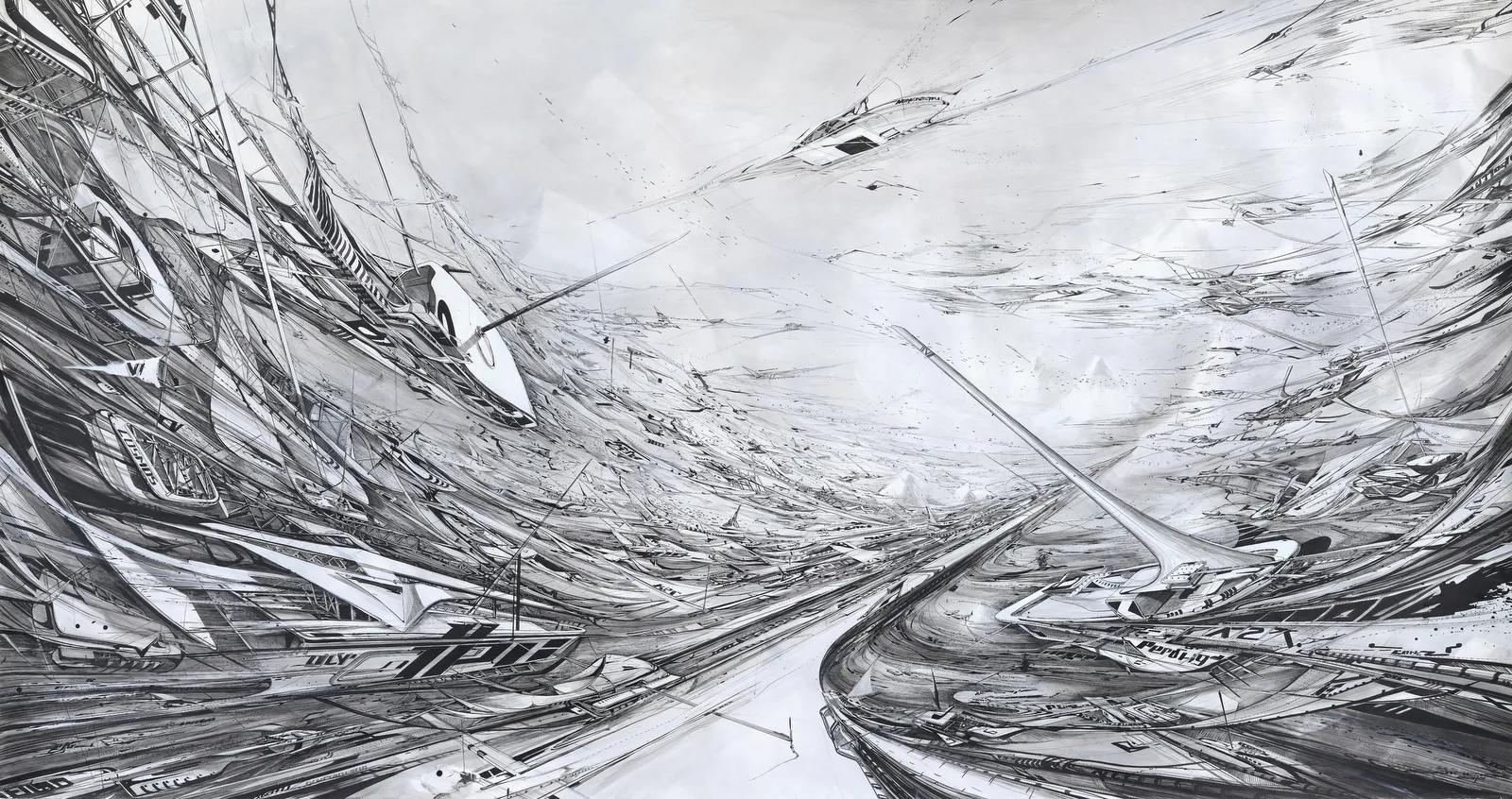
The Waldbäder series was created between 2010 and 2012 in Brandenburg, initially in Bad Erna, one of the early lignite mines in Lower Lusatia. The drawings capture the atmosphere of shady forest swimming areas—places familiar from summer vacations and childhood memories.
The large-format drawings from the Urbane Strömungen series document a region in transition, where flooded mines have become large lakes, while at the same time water shortages and flooding are shaping Brandenburg. With the opening of the open-pit lakes to tourism and their development, new uses, landscape densification, “urban movements,” traffic, and consumption are emerging along the shores. The works reflect both the earlier visions of the future and the current challenges of managing the landscape sustainably.
further reading
Exhibition
/ Biennale
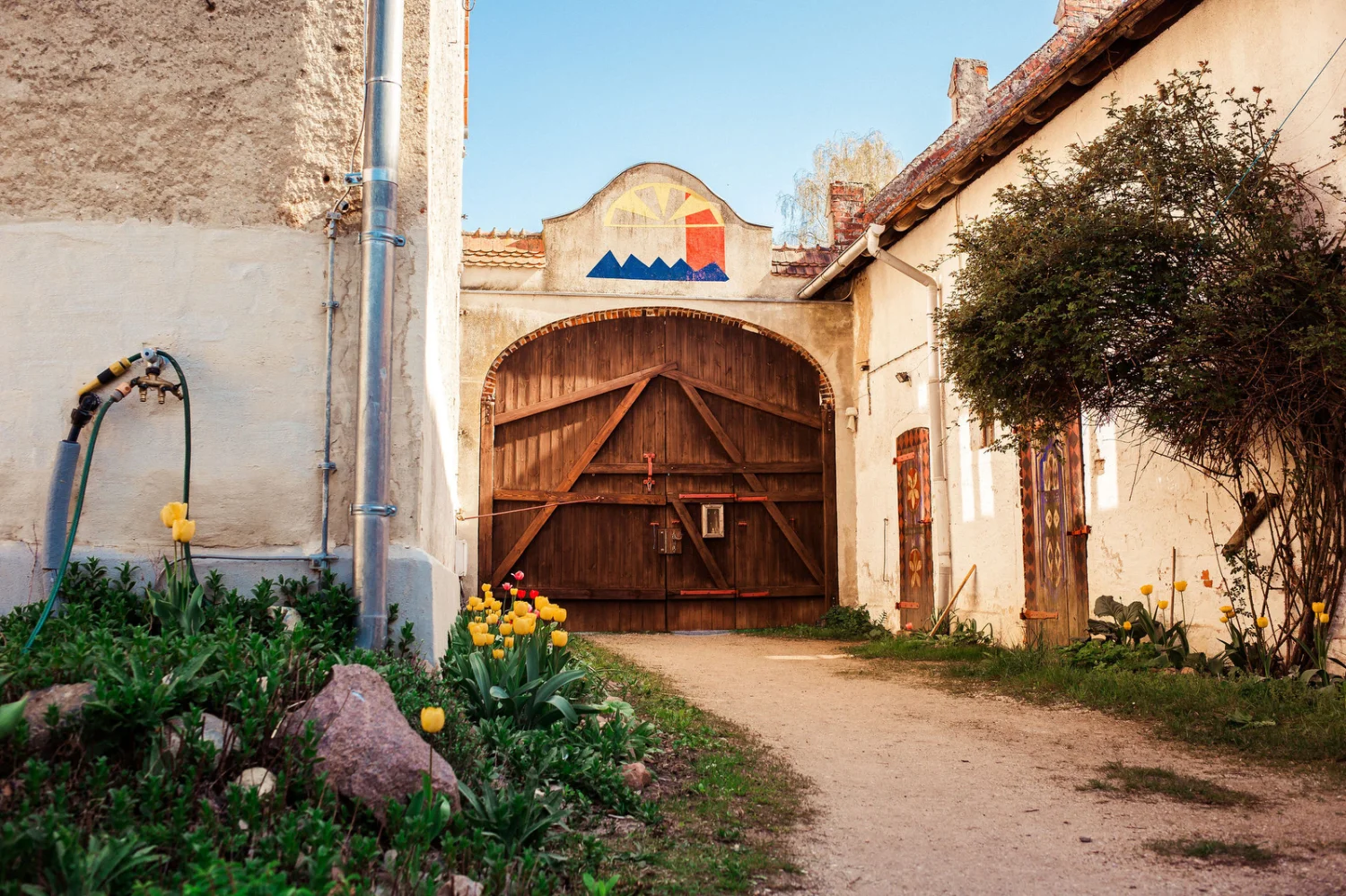
Exhibition in the Atelierhof Werenzhain
31.07.—16.08.2026,
Atelierhof Werenzhain / Wokrejs Łobjo-Halšter
Cihangir Gümüstürkmen Mira Dubian & Luka Lětko Simono Nezaket Ekici Detlef Schweiger Luzie Kork Sabine Schäfer Siegfried Kober Victoria Gentsch Inna Artemova Katrin Günther Sebastian Klug Golde Grunske Johanna Reich
about the event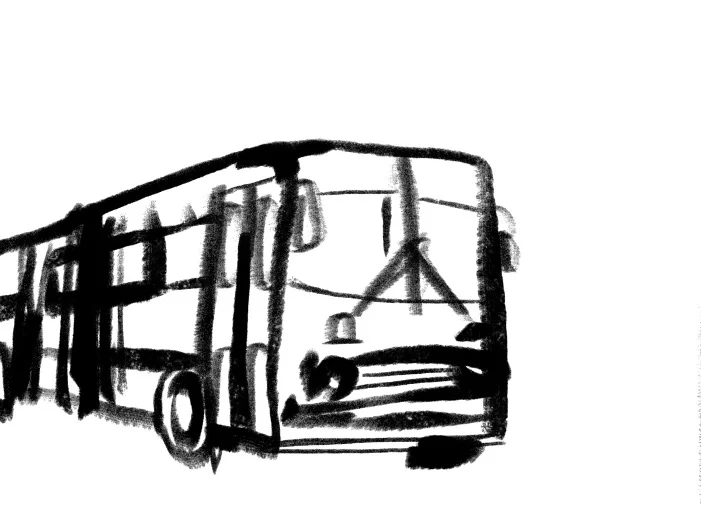
Shuttle-Bus
/ Biennale
VIP-Bus und Transfer-Bus zur Eröffnung der 1. openart Lausitz Biennale
31.07.2026,
Atelierhof Werenzhain / Wokrejs Łobjo-Halšter
Cihangir Gümüstürkmen Daniela Butsch Golde Grunske Katrin Trost Luzie Kork Meggie Schneider Mira Dubian & Luka Lětko Sandcity Sabine Schäfer Siegfried Kober Sebastian Klug Simono Süheyla Asci Swen Bernitz Inna Artemova Katrin Günther Detlef Schweiger Astrid Weichelt Beate Tischer Karsten Kelsch Nezaket Ekici Philipp Eichhorn Johanna Reich Victoria Gentsch
about the event
Exhibition Opening
/ Biennale
Opening of the 1. openart Lausitz Biennale
31.07.2026,
Atelierhof Werenzhain / Wokrejs Łobjo-Halšter
Cihangir Gümüstürkmen Mira Dubian & Luka Lětko Simono Nezaket Ekici Detlef Schweiger Luzie Kork Sabine Schäfer Siegfried Kober Victoria Gentsch Inna Artemova Katrin Günther Sebastian Klug Golde Grunske Johanna Reich
about the event