For decades, Lusatia was Germany’s energy hub. Lignite shaped the region’s landscape, economy and identity – from the opencast mines around Cottbus to the villages of the Elbe-Elster region. Yet since reunification in 1990, the region has been undergoing a profound transformation that continues to this day.
A transformation in two stages
by Maysun Kellow
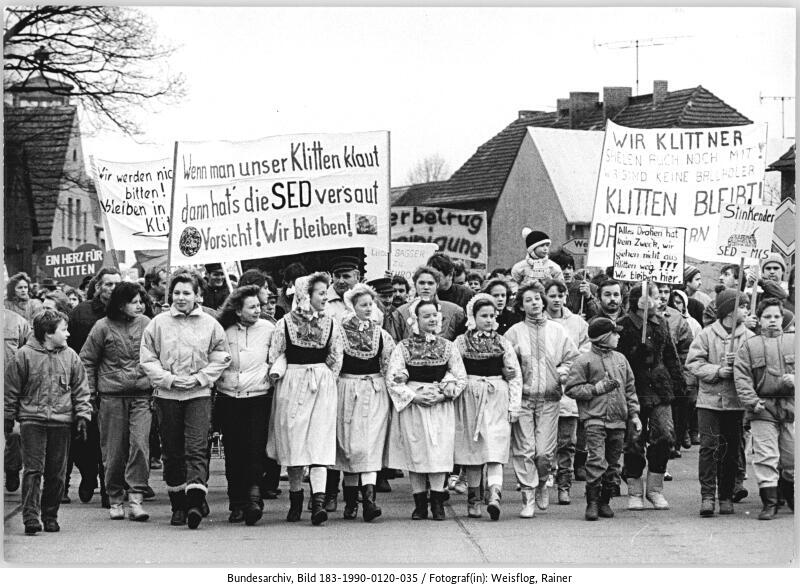
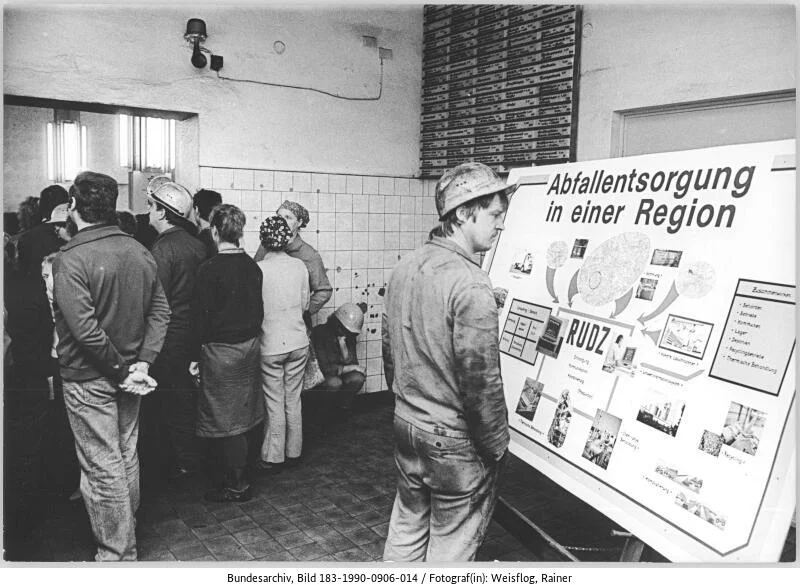
The first structural break came abruptly. With the end of the GDR, tens of thousands of people lost their jobs in mining and industry. Factories, power stations and entire infrastructures were shut down – leaving behind dereliction, depopulation and a sense of being left behind by progress.
Today, Lusatia faces a second turning point: the phase-out of coal, which is to be completed by 2038 at the latest. Even though lignite-fired power generation is still ongoing, the direction is clear. For many people in the region, this once again means change, uncertainty and the question of what comes next.
Opportunities amid upheaval
However, this transformation holds great potential. The Lusatian Lake District – formed from former opencast mines – has developed into a sought-after leisure and tourism destination. New industrial settlements, research facilities and the expansion of renewable energies are gradually creating alternatives. Brandenburg and Saxony are working together on a cross-state economic strategy, with funding from the Federal Structural Strengthening Act flowing into infrastructure, education and innovation.
The challenge remains considerable: the coal sector’s value chains are breaking down before new ones have fully taken root. Moreover, many people feel their voices are not being heard sufficiently in this process.
What art and culture can achieve
A vibrant cultural landscape is the driving force behind strengthening a region’s appeal and visibility. It fosters a sense of belonging, strengthens social cohesion and civil society. These are key factors in countering depopulation and instead attracting skilled workers and investment.
Politicians have also recognised this: with the Lusatia Cultural Plan, stakeholders from Brandenburg and Saxony have developed a long-term strategy that views art and culture as an integral part of structural change.
Projects such as the openart Lusatia Biennale 2026 creatively demonstrate what can emerge from this challenge. What was once considered a ‘lost place’ here is becoming a stage – and is thus taking on new significance in the region’s collective memory.
A new beginning that takes time
The structural transformation of Lusatia is an ongoing process. It will only succeed if economic development and cultural participation are considered together – if the people who live here are not merely those affected, but the shapers of their region.
Lusatia has a foundation for this that other regions undergoing change must first build: a rich cultural landscape, a history of its own, and people who have stayed despite everything.
The deeply rooted Sorbian culture and tradition also play a special role here – a unique feature of Lusatia. To this day, the Sorbs maintain their language, customs and traditions, despite having been exposed to the influence of the German majority population for centuries.
These projects in the field of culture and civil society are currently supporting the process in Brandenburg:
• Bürgerregion Lausitz, https://buergerregion-lausitz.de/
• Lausitziade, https://lausitziade.de/
• UNESCO 5 – Heritage of Lusatia, haps://lausitz-kultur.eu/de/netzwerk/unesco-5
• Centre for Dialogue and Change, https://zdw.ekbo.de/
• INIK, Institute for New Industrial Culture, https://www.inik.eu/
The projects are supported by the Krasse Lausitz campaign run by the Lausitz Economic Region, https://www.krasse-lausitz.de